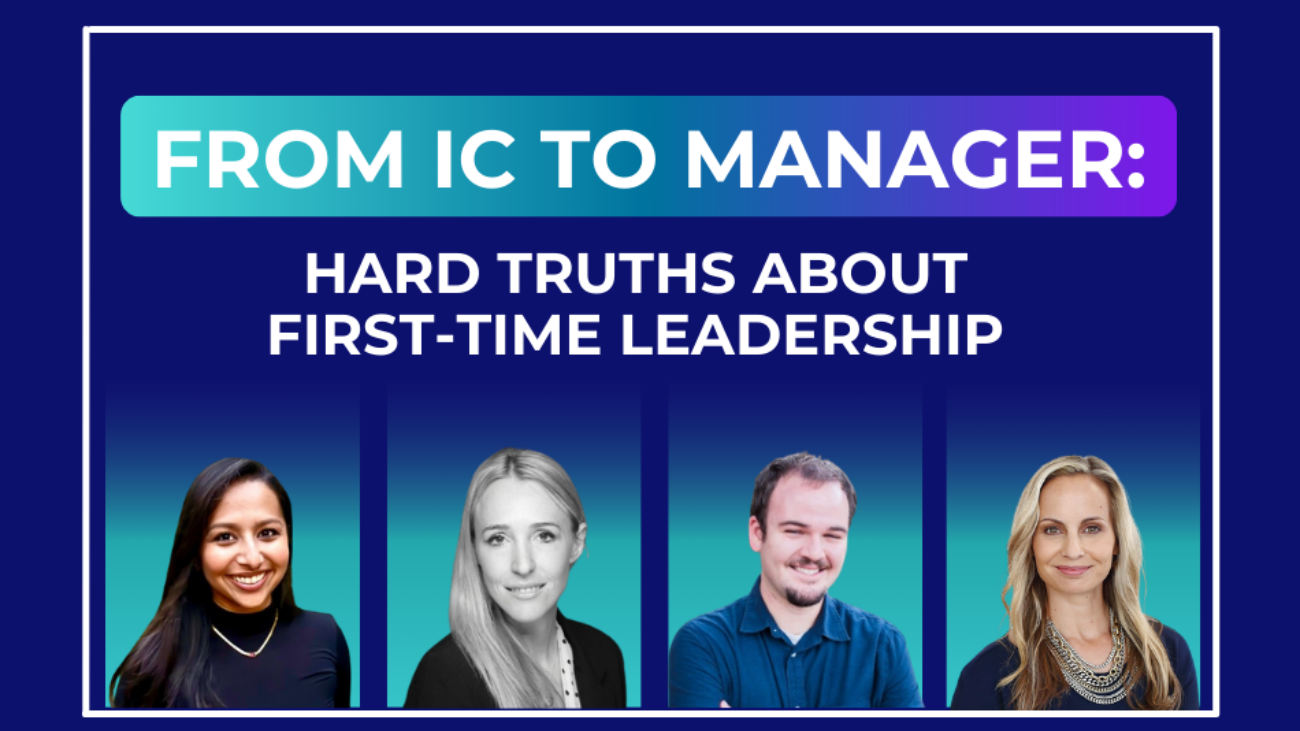
Blog 11 - A Startup's Guide to New Manager Training

A Startup’s Guide to New Manager Training

Blog 11 - A Startup's Guide to New Manager Training

A Startup's Guide to New Manager Training

Introduction

 
As startups grow and evolve, so does their need for effective management. New manager training is becoming increasingly important for startups and new managers need to be equipped with the skills and knowledge necessary to manage teams effectively and efficiently. Without proper training, new managers can face difficulties in leading their teams and achieving optimal success.
 
In this blog post, we’ll explore the importance of new manager training, discuss the key components it should include, and share strategies for measuring success. Whether you’re a founder or a senior leader in a startup, this guide will help shape a robust new manager training program that drives growth and fosters a thriving work culture.
 
In this guide, you will:
  1. Learn the benefits of new manager training and identify the essential knowledge, skills, and abilities that new managers in startups need in order to be successful.
  2. Discover the elements of a comprehensive leadership training and development program.
  3. Distinguish between traditional training methods and superior coaching and mentoring models.
  4. Determine how to assess the effectiveness of the leadership training and development.
  5. Learn how to create an ongoing culture of leadership and a supportive environment for new managers.
  6. Discover useful resources for your culture of leadership toolkit.
 

Section 1: The Unique Challenges Faced by Startups in This Phase

 
The needs and challenges of small to medium-sized organizations in their startup phase are unique. For example, a rapidly growing startup may be faced with limited resources, in terms of both financial capital as well as human capital. Additionally, leaders are constantly faced with tight deadlines and constant change, putting pressure on them to make decisions quickly. 
 
Leaders are faced with juggling priorities and wearing multiple hats in the startup environment. For example, as they grow their teams they may be faced with choosing the right person to hire, while still figuring out the ever-evolving organizational chart. 
 
Because new managers in startups often wear so many hats, it may be impossible for them to be great at every part of their job, and people often only focus on the technical aspects of the job as indicators of success. However, being a people leader requires an additional set of soft skills that new managers need help, not only recognizing but developing as well. These skills may include fundamental leadership, communication, problem-solving, decision-making, and organizational skills.
 
Recognizing where these skills and knowledge gaps are occurring so that new managers can perform at peak levels is critical to the overall success of the startup.
 

Section 2: Why Effective New Manager Training Matters

 
In today’s rapidly evolving business landscape, it’s not uncommon for startups to be selective with where they spend their capital, and training for new managers should be seen as an investment, not an expense. 
 
Research consistently shows that when teams are led by great leaders, they outperform teams with deficient leadership. Therefore, the success of your startup depends largely on your level of leadership and the level of leadership skills the new managers in your organization possess.
 
If a manager isn’t thriving, team performance and productivity nosedives, and attrition rates climb which impacts the loss of tacit knowledge resulting in a ripple effect of negative team dynamics, and employee satisfaction.
 
Overall, when startups invest in new manager training, they will recognize the benefits in the form of less turnover, higher employee engagement, and better team performance across the board.
 

Section 3: Identifying the Skills Needed for Startup Managers

 
It is important to take the time to identify which soft skills are most important for your startup. By identifying both the skills needed and the challenges your startup is facing, new managers will be better equipped to handle the demands of a startup environment and become successful in their roles.
 
For micro teams with a flat organizational structure, it may be most important to work on things like communication and team management. For rapidly growing organizations, time management, delegation, and effective decision-making may top the list. 
 
The simple fact is that every organization is different and as your startup grows, your needs may become more complex. It’s important to take time to determine which core competencies are most important for your new management team to possess right away and which ones can be acquired over time.
 
Here are some of the most common topics :
  • Developing Strong Communication Skills
  • How To Give Effective Feedback
  • Time Management Skills
  • Effective Delegating
  • Goal Settings
  • Performance Coaching
  • 1-on-1 Meetings
  • Conflict Resolution
 
While it’s not uncommon for new managers to read books on leadership or attend webinars, it’s important to recognize that these methods typically don’t result in long-lasting change that will result in tangible results for your organization.
 
So then, what does it take for leadership training to be more effective and stick?
 

Section 4: Designing an Effective & Comprehensive New Manager Training Program

 
There are two very important pieces to ensuring that leadership training results in long-lasting, positive change that will result in tangible benefits for your startup.
 
Effective training programs consider different learning styles and preferences because they recognize that not only does everyone learn differently, but they are in diverse roles in unique organizations. 
 
Additionally, since startups can evolve quickly, it’s not uncommon for a new manager’s role to also take on different responsibilities over the course of the training program. First-time managers not only are making a physical shift into a new role but they also need to make the mental shift from individual contributor to first-time manager and need help navigating that transition successfully.
 
Because of this, it’s important for there to be customizable solutions that fit each startup’s culture and individual goals.
 
Effective leadership training programs will:
  • Provide a comprehensive approach to behavioral change which includes, independent work, group sessions, and individual mentoring/coaching.
  • Offer assessments such as 360-degree feedback surveys or other assessments that gather feedback and build self-assessment
  • Equip participants with effective techniques and provide resources and tools to improve their leadership skills
  • Include activities to put into practice the skills and techniques being learned
  • Offer 1-on-1 coaching and personalized support
 
It’s important to remember that while traditional methods (such as books and webinars) are great for the delivery of information, they do not help with the implementation of the theories and practices that result in actual performance improvement. More importantly, there is no accountability or measure for whether improvement was actually made. 
 
How our Leadership Accelerator can help: By being part of this program, your managers will balance self-paced learning opportunities with interactive group sessions and confidential one-on-ones. This will help them incorporate practical experiences and real-world scenarios that are relevant to the challenges that startups face. They will also get access to a resource vault full of templates, tools, and best practices that will help them as they lead their teams, all of which are typically not accompanied when reading a book or attending a webinar. 
 

Section 5: Measuring Success and Continuous Improvement

 
Assessing the effectiveness of manager training is essential for startups in order to ensure that new managers are equipped with the necessary skills and knowledge to successfully lead and manage their teams. 
 
By evaluating the results of the training program, startups can identify areas of improvement and make adjustments to ensure that the training is effective and that the new managers are able to successfully take on their roles. 
 
There will be a number of ways that your startup can measure the success of the leadership training program. A few of the most common methods used to measure success are through pre- and post-program surveys, Employee Engagement Surveys, and 360-degree Feedback Surveys. 
 
Additionally, startups can measure the impact of the training program by observing changes in the behavior and performance of team members. By assessing the effectiveness of the manager training, startups can ensure that the training program is meeting its goals and that new managers are provided with the necessary skills and knowledge to be successful in their roles.
 

Section 6: Foster a Culture of Leadership

 
In order for any new manager leadership training to be a success, it is critical for startups to foster a culture of leadership. They can start by being the first ones to go through a leadership training program and then continue to model positive and effective leadership behaviors. This sets the stage for effective leadership throughout the organization, but it’s just the start. 
 
Creating a supportive environment for new managers is essential for their success in a startup. This environment should encourage learning, growth, and collaboration. It should also provide resources and feedback to help new managers make the most of their training. This can include providing access to resources that can help them hone their skills, setting up regular meetings with mentors or coaches, and recognizing their successes.
 
It should be a safe space for open dialogue and constructive criticism. Managers should be encouraged to ask questions and seek advice from their colleagues. They should also have access to support from senior leadership, such as guidance on navigating corporate culture and responding to challenges. This includes providing feedback and guidance to managers so that they can address any challenges they might face. This will ensure that managers remain motivated and confident in their roles, leading to improved performance and success for the startup.
 
Finally, managers should be encouraged to use their own experiences and knowledge to contribute to the team’s success. By creating a supportive environment, startups can ensure new managers have the tools and resources they need to excel.
 

Section 7: Identifying and Utilizing Leadership Development Resources & Tools

 
While a leadership training program is vital, startups should also establish a resource library so that new managers can continue to improve their skills via self-paced learning post-program.
 
Resources can include online courses, books, podcasts, and videos. They can also include workshops, seminars, and conferences. Having access to a variety of leadership development resources allows managers to identify areas where they need to grow and improve and then develop their skills in a more structured way. 
 
When selecting resources, it is important to consider the goals of the organization and the needs of the new manager. It is also important to ensure that the resources are up-to-date and relevant to the organization’s goals. By identifying and utilizing leadership development resources, startups can ensure that their new managers have the right skills and knowledge to succeed.
 

Conclusion

 
Building a strong foundation of new manager training is crucial for startup success. By investing in the development of your managers, you lay the groundwork for elevated employee engagement, enhanced team performance, and overall organizational growth. 
 
By following this guide, startups can establish a robust and tailored training program for their new managers, empowering them to become effective leaders who drive the growth and success of the organization.
 
With Archova, you’ll have an expert by your side who is qualified to help you navigate this process, equip your managers with the necessary skills they need to navigate the unique challenges of the startup environment, and assess the effectiveness of the training program. Remember, consistent support and individualized training are key to helping your managers thrive and ensuring the long-term success of your startup.
 
Learn more about Archova’s new manager training program, the Leadership Accelerator, here.
Blog 10 - A Startup's Guide to New Manager Training

A Startup’s Guide to Leadership Coaching

Blog 10 - A Startup's Guide to New Manager Training

A Startup's Guide to Leadership Coaching

Introduction:

 
Welcome to “A Startup’s Guide to Leadership Coaching.” This guide will help startup founders:
  • Understand the importance leadership coaching plays in running a successful venture
  • Uncover the pivotal role that professional leadership coaches play
  • Learn what to expect in the coaching process
  • Achieve the maximum benefits of coaching
 
Throughout this guide, we will explore the coaching process, providing the tools and insights needed to maximize the benefits of coaching. From setting clear goals and crafting a tailored development plan to enhancing self-awareness and building essential leadership competencies, coaching provides a structured pathway to unlocking a startup’s fullest potential through one of its most valuable resources, its leaders.
 

Section 1: Why Leadership Coaching Matters for Leaders in Startups

 
The startup ecosystem presents leaders with a whirlwind of challenges. From navigating uncertainty to managing limited resources, startup managers face a daunting task. However, managers don’t have to figure it out all alone. This is why leadership coaching has become an important component in organizations’ growth plans.
 
Bill Gates and Eric Schmidt know all too well why they said “Everyone needs a coach!”
 
This guide will shed light on the extraordinary benefits that coaching can provide for leaders in startups, empowering them to overcome hurdles, harness their true potential, and propel their ventures to new levels of success.
 
Unlike established companies, startups face rapid growth, fierce competition, and a relentless need for innovation. The agility, adaptability, and resilience required to navigate these challenges can be overwhelming. This is where coaching steps in as a powerful catalyst for personal and professional growth, offering guidance, support, and a strategic framework to tackle the intricacies of startup leadership.
 

1.1 Navigating the transition to a new or rapidly expanding leadership role

 
There are many things that demand the time and attention of leaders in a new startup. Very few have the time to figure out all the nuances of being a good leader while putting out the critical fires the new venture faces daily. A leadership coach can provide a structured and personalized approach to enhancing leadership skills, managing challenges, and helping leaders thrive in a new role.
 

1.2 Building essential leadership skills

 
There are a number of essential leadership skills that leaders will need to have in order to be successful in their new role at a startup. A coach will work with them to assess their strengths, weaknesses, and leadership style. The work of a coach is essential to help new leaders foster a growth mindset and entrepreneurial spirit. They help uncover various leadership preferences, communication patterns, and decision-making tendencies. This self-awareness is crucial for effective leadership.
 
From there, the coach will help in setting clear goals and developing a strategic plan for the leadership role. This might involve defining key milestones, identifying priorities, and outlining a roadmap for achieving the overall vision. Based on individual and organizational goals and assessments, the coach will design a tailored development plan to enhance each new leader’s leadership skills. Whether it’s communication, delegation, conflict resolution, or strategic thinking, the coach will provide guidance and resources to help new leaders grow.
 
It’s common for startups to experience periods of rapid expansions or transitions that can be unsettling for everyone on the team. It’s important for the leader to confidently cast vision while maintaining a stable balance in order to keep the team calm, even though the reality may be quite the opposite. By working with a coach, leaders will be provided with frameworks to help approach these situations with clarity. Many leaders experience enhanced decision-making, problem-solving, and critical-thinking abilities when working with a coach.
 

1.3 Managing teams in the startup environment

 
One of the biggest challenges will be building and leading high-performing teams. Since leadership involves working with people at various levels and oftentimes with stakeholders internally and externally, a coach can help refine emotional intelligence, empathy, and relationship-building skills. They provide insights on how to effectively manage and motivate teams, while also empowering leaders with effective communication skills and techniques to enhance their executive presence.
 
Not only will leaders develop effective communication and delegation skills, but they will also learn how to support employee growth and development. They will become more confident and competent leaders who encourage collaboration, innovation, and build a positive culture in the organization by leading by example.
 
In fact, executives who estimated the monetary value of the results achieved through coaching reported an average return on investment (ROI) of 5.7 times the initial investment or a return of more than $100,000, as shown by a study conducted by Manchester Inc. These statistics reinforce the tangible benefits organizations gain by investing in coaching for their new managers. Coaching has a proven track record of boosting individual and team performance, increasing productivity, and driving bottom-line results.
 

Section 2: Understanding Leadership Coaching


2.1 What is leadership coaching?

 
Leadership coaching is a collaborative process aimed at enhancing leadership skills, unlocking potential, and achieving professional goals. It involves a dynamic dialogue between the coach and the leader, fostering self-discovery and transformative growth. Unlike mentoring, consulting, or training, coaching focuses on the leader’s unique strengths, challenges, and aspirations.
 

2.2 What is the purpose of leadership coaching?

 
The purpose of leadership coaching is to facilitate personal and professional development, enabling leaders to excel in their roles, drive organizational success, and inspire their teams. It provides a confidential space for leaders to explore their strengths, address limitations, and gain new perspectives. Coaching enhances self-awareness, identifies blind spots, and develops critical skills such as decision-making, communication, emotional intelligence, and strategic thinking.
 

2.3 Coaching vs. Mentoring and Consulting

 
In comparison to mentoring, coaching empowers leaders to find their own solutions instead of relying on advice from more experienced individuals. Unlike consulting, coaching believes that leaders have the wisdom to navigate challenges, and coaches facilitate the exploration of possibilities. While training provides a structured curriculum and skill development, coaching takes a personalized approach tailored to the leader’s specific needs, allowing for individualized growth and skill refinement.
 
Leadership coaching creates a partnership that empowers leaders to tap into their full potential, develop critical competencies, and achieve sustainable growth. By understanding the distinct nature of coaching and its purpose, leaders in startups can leverage this powerful tool to overcome challenges, optimize performance, and lead their ventures to unprecedented success.
 

2.4 The role of coaching in personal and professional development

 
Coaching plays a pivotal role in the personal and professional development of new managers, enabling them to enhance their skills, deepen self-awareness, and maximize their effectiveness in the dynamic world of leadership. By partnering with a skilled coach, new managers can unlock their potential and navigate the unique challenges they face, ultimately driving organizational success.
 
Coaching goes beyond mere skill enhancement; it also fosters self-awareness, a critical element of personal and professional growth. Skilled coaches facilitate reflection and introspection, enabling new managers to gain a deeper understanding of their values, beliefs, and behavioral patterns. This heightened self-awareness empowers managers to leverage their strengths, navigate challenges, and make conscious choices aligned with their leadership style and organizational goals.
 
In combination with enhanced skills and self-awareness, coaching enables new managers to maximize their effectiveness. With the guidance and support of a coach, managers gain the confidence, clarity, and resilience needed to handle complex situations, inspire their teams, and drive organizational success. Numerous studies support the significant impact coaching has on leadership capabilities and team performance.
 
A report by the Personnel Management Association highlights the powerful synergy between coaching and training. When training is combined with coaching, individuals increase their productivity by an average of 86% compared to 22% with training alone. This showcases how coaching amplifies the impact of other developmental initiatives, enabling new managers to apply their acquired knowledge and skills more effectively.
 
One of the most effective leadership development tools available to organizations is coaching. Studies have consistently shown a positive return on investment (ROI) for coaching in various contexts. For instance, a study conducted by MetrixGlobal revealed that companies, including Booz Allen Hamilton, achieved an average return of $7.90 for every $1 invested in executive coaching. Similarly, a survey conducted by Manchester Inc. found that coaching provided an average return on investment of almost 6 times the cost of the coaching, as reported by 100 executives, and had an average ROI of 5.7 times the initial investment or a return of more than $100,000, according to executives who estimated the monetary value of the results achieved through coaching.
 
By enhancing their skills, fostering self-awareness, and maximizing their effectiveness, coaching empowers managers to navigate their leadership journeys with confidence and achieve remarkable results. With its positive ROI and impact on leadership capabilities and team performance, coaching stands as a powerful tool to unleash the potential of new managers and propel organizational success.
 

Section 3: The Coaching Process

 
The coaching process is designed to support individuals in developing, strengthening, and applying key skills, behaviors, and habits to strengthen relationships, foster engagement, and build a high-performing team.
 

3.1 Setting goals and expectations

 
In a series of twelve 1-on-1 meetings via video conference, Ramona works with individual clients to identify and focus on goals as well as the desired outcomes and overcome barriers to professional growth and behavioral change.
 
Coaching objectives are customized based on individual needs and the needs of the organization. Goals may include:
 
  • Developing key leadership skills and habits
  • Optimizing their personal leadership style
  • Improving their communication style
  • Strengthening their stakeholder management
  • Understanding challenges and strengths with their natural behavioral style
  • Building on their strengths and improving on areas of difficulty
  • Achieving their personal leadership goals and objectives
 

3.2 The coaching journey

 
Between meetings, action plans will be used to help meet the client’s specific goals. The frequency of meetings and check-ins is usually agreed to in advance between the coach and the client and varies from once a month to weekly.
 
Ramona establishes a comprehensive customized coaching plan that encompasses a timeline, number of coaching sessions, and delivery formats for all techniques and tools.
 

Section 4: Maximizing the Benefits of Coaching


4.1 Embracing a growth mindset

 
It can be easy for a startup founder to have blinders on and only focus on one aspect of their new startup. However, the most successful founders embrace a growth mindset as a foundational principle. Since startup leadership is a dynamic journey that demands constant adaptation and learning, it aligns perfectly with the belief in continuous improvement. But this doesn’t just apply to the startup itself, it also applies to its leaders. This is where leadership coaching plays a pivotal role.
 
A coach acts as a catalyst, helping founders navigate the complexities of leadership, identify areas for development, and formulate strategies to overcome obstacles. The coach, armed with insights and expertise, becomes a sounding board for ideas, a source of constructive feedback, and a partner in shaping the founder’s growth journey.
 
In this context, a growth mindset and leadership coaching work synergistically. A founder with a growth mindset embraces challenges and setbacks as opportunities to learn, adapting strategies and approaches based on feedback and experience. The coach, meanwhile, provides a structured framework to harness that growth mindset effectively, offering tailored guidance that aligns with the founder’s unique strengths and goals.
 
Through coaching, founders not only gain access to valuable leadership tools and techniques but also build self-awareness and emotional intelligence. They learn to lead with authenticity, navigate team dynamics, and inspire others through their own commitment to growth. Just as a startup evolves with the market, so too does a founder’s leadership style evolve with the insights gained from coaching.
 

4.2 Creating a supportive environment

 
By fostering an environment where coaching is not just a formal exercise, but a natural part of everyday interactions, founders can unlock the full potential of their teams. This culture recognizes that every individual, from entry-level employees to top-tier managers, has room to grow and evolve.
 
Embracing coaching as a shared value sends a powerful message that growth is not an endpoint but an ongoing journey, encouraging employees to be proactive in seeking out feedback and learning opportunities. When coaching becomes woven into the fabric of the organization, barriers to communication diminish, and a collective commitment to excellence emerges, driving both individual development and the company’s progress.
 

4.3 Measuring success and evaluating the impact of coaching

 
Collecting feedback is a powerful method for measuring improvements in leadership competencies. Gathering input from various sources, including direct reports, peers, and supervisors, provides a comprehensive view of how the new managers’ behavior and effectiveness have evolved. Structured feedback mechanisms, such as 360-degree assessments or surveys, offer valuable insights into areas of growth and pinpoint specific leadership traits that have seen improvement. By comparing feedback data before and after coaching, trends and patterns emerge, showcasing the progress made and areas that may still require attention. This data-driven approach not only quantifies the impact of coaching but also informs future coaching strategies to ensure sustained leadership development.
 
Measuring improvements in leadership competencies extends beyond just quantitative metrics. Qualitative indicators, such as enhanced team morale, more effective communication, and the ability to handle complex challenges, contribute to a holistic understanding of a new manager’s growth. Regular performance reviews and ongoing conversations between the manager, coach, and relevant stakeholders provide opportunities to discuss observed changes, align on future goals, and fine-tune the coaching approach. By taking a multi-dimensional approach to assessment, startups can confidently evaluate the value of coaching for new managers and refine their leadership development initiatives for even greater impact.
 

Conclusion:

Leadership coaching is a powerful tool founders can use to give their startup the best chance for success. If the startup is the masterpiece, and the leaders are the blades that carve that masterpiece, then leadership coaching functions as the means to sharpen and refine those tools.
 
The benefits of coaching extend beyond the individual leaders’ sphere of influence. Yes, leaders get direct strategies and improved skill development, but there is a ripple effect that can be felt among the entire organization, with how teams interact, the way customers are served, and ultimately seen on the financial statements.
 
In the ever-evolving landscape of entrepreneurship, investing in leadership coaching is a strategic move that can set a startup on a trajectory of unparalleled success. By embracing leadership coaching, not only is it an investment in personal growth but also in the growth of the startup as well. Imagine the impact of honing the decision-making prowess, elevating communication finesse, and fostering a culture of innovation within the team. This isn’t just about becoming a better leader; it’s about empowering the startup to thrive in the competitive landscape.
 
Leadership coaching isn’t an expense; it’s an investment that yields exponential returns, manifesting not only in the growth of individual leaders but also in the flourishing of the startup’s vision. By seizing this opportunity and embracing the guidance of a coach, leaders will become the best version of themselves, something the startup not only needs but also deserves.
Blog 9 - How Executive Coaching Can Help Leaders Grow

How Executive Coaching Can Help Leaders Grow

Blog 9 - How Executive Coaching Can Help Leaders Grow

How Executive Coaching Can Help Leaders Grow

If reading books on leadership made people great leaders, then we would have an abundance of extraordinary managers in every organization. While theory and knowledge are undoubtedly valuable, true leadership excellence requires more than just absorbing information. It demands practical application, self-reflection, and a continuous journey of growth.
 
This is where Executive Coaching comes in, offering leaders a transformative experience that goes beyond what books alone can provide. Let’s dig into 7 ways that working with an Executive Coach can help leaders grow.
 

1. Developing more self-awareness:

Have you ever heard the phrase, “You don’t know what you don’t know.” Well, it’s true. It’s extremely difficult to assess your blind spots if you don’t know what they are. Working with an Executive Coach helps leaders gain a deeper understanding of their strengths, overdone strengths, blind spots, values, and beliefs. By increasing self-awareness, leaders are able to identify areas for improvement faster than if they tried doing it on their own. They are then able to capitalize on their strengths much more efficiently and can enhance their effectiveness as leaders.


2. Strengthening leadership skills:

Being a great people leader is much different from being a great expert leader. This is where an Executive Coach helps provide a structured approach to strengthening leadership skills. Leaders can receive guidance and support in areas such as communication, delegation, decision-making, conflict resolution, stakeholder management, and team building so that they don’t have to figure it out all alone. Through targeted coaching, they can enhance their abilities and acquire the necessary tools to lead their teams more effectively without having to learn from unnecessary mistakes that could decrease productivity, diminish morale, ruin relationships, or erode the manager’s own confidence.


3. Setting goals and action plans:

When leaders work with an Executive Coach directly, they are able to define clear and measurable goals that are aligned with their personal and organizational objectives. A coach can walk the leader through the process of creating a strategic action plan that outlines specific steps with realistic timelines to achieve these goals. By providing accountability and feedback, coaches help managers stay focused and track their progress, leading to improved performance.


4. Enhancing communication and interpersonal skills:

Effective communication is vital for successful leadership. But not everyone is gifted at communicating or being an active listener. Coaching enables leaders to improve their communication and interpersonal skills, including active listening, giving constructive feedback, and fostering positive relationships. These skills enhance their ability to connect with and motivate their teams, resolve conflicts, and establish a collaborative work environment. Overall, by working with an Executive Coach, leaders will not only learn skills and techniques that improve their communication, but they will also learn how to get more communication out of their team.


5. Building confidence and resilience:

Executive Coaching helps build confidence by providing support, guidance, and encouragement. Coaches also help managers develop resilience and navigate through setbacks or difficult situations, enabling them to maintain their effectiveness and bounce back from adversity. Confidence is a lot like a rubber ball. While full of confidence, the ball bounces effortlessly. However, as a leader faces setbacks, challenges, or criticism, it’s like the ball gets deflated. It loses its bounce, and they may start doubting their abilities. But just like a ball, confidence has the potential to bounce back. Through working with a coach, practicing self-reflection, learning from mistakes, the ball begins to re-inflate.


6. Enhancing decision-making and problem-solving abilities:

Managers often face complex decisions and challenging problems. Executive Coaching can enhance a leader’s critical thinking, decision-making, and problem-solving skills. Coaches provide frameworks, techniques, and perspectives to help managers approach issues more effectively, analyze options, and make informed decisions that align with their organizational goals. Since no two situations are exactly alike, a coach can help the leader navigate possible solutions that may work in the situation they are facing. That way, the manager can make a decision with more information at hand and be confident that they are doing what is best for every stakeholder involved.


7. Managing work-life balance and well-being:

Executive Coaching acknowledges the importance of work-life balance and well-being for managers. Coaches assist leaders in setting boundaries, managing time effectively, and prioritizing tasks to prevent burnout. There are numerous techniques that Executive Coaches can recommend to assist with the physical and emotional toll that being a leader can take on a person. By promoting self-care and stress management techniques, coaching supports managers in maintaining their well-being while successfully fulfilling their leadership responsibilities.


Overall, Executive Coaching offers leaders a tailored and supportive approach to developing their leadership capabilities. It empowers them to maximize their potential, navigate challenges, and achieve sustainable success in their roles.
 
The invaluable partnership between new managers and Executive Coaches can be nothing short of transformative. As leaders step into their roles, they are faced with a myriad of challenges that extend beyond the pages of leadership books or the lessons of experience. It is in these crucial moments that the guidance, support, and personalized approach of an Executive Coach become paramount.
 
An investment in Executive Coaching is an investment into not only the success of the leader (now and in the future) but also the success of the team and ultimately the organization.
 
Additional Resources:
Blog 8 - 4 Often Overlooked Trainings for New Managers at Startups

4 Often Overlooked Trainings for New Managers at Startups

Blog 8 - 4 Often Overlooked Trainings for New Managers at Startups

4 Often Overlooked Trainings for New Managers at Startups

With the rapid advancements in AI, the tech industry is one of the fastest-growing industries in the world right now. As can be expected, this results in a steep failure rate for startups that can’t keep up, much less get ahead. One would think that a new startup needs all the tools in its tool belt to be as sharp as possible to succeed. One such critical tool is the ability to manage oneself and manage others for optimal success. But what is the startup’s responsibility when it comes to new manager training? Let’s take a look at some of the key areas that new managers at fast-growing startups need to be equipped with training on.
 

1. Emotional Intelligence:

New managers need to have a good foundation around understanding themselves (self-awareness) and understanding others (what motivates and demotivates them). Exposure to assessments such as the Enneagram, DISC, or 16 Types, can help managers become aware of their natural tendencies, strengths, and possible blind spots.
 
Common mistake: Neglecting to consider the individual motivations and demotivators of team members can lead to misunderstandings, decreased engagement, and reduced productivity within the team, not to mention high turnover rates.
 
Training options that will help new managers in this area explore concepts such as self-awareness, empathy, active listening, and conflict resolution so that managers can develop a deeper understanding of themselves and their team members.
Additional Resources: New Manager Toolkit
 

2. Setting Expectations:

One of the hardest things about being in a fast-growing startup is that everyone wears many hats and that those hats can get passed around. This can muddy the waters when it comes to responsibilities, making it frustrating for team members to understand what their role is. As a new manager, it will be important for you to set clear expectations as to what each team member’s role is and who is responsible for what. Keeping the team in their lane while moving projects forward as a whole is paramount.
 
Common mistake: This situation most commonly happens when someone leaves the company and their duties are reassigned. For example, in a meeting, a manager may assign a task to a person on the marketing team, although it has previously been assigned to someone on the analyst team. This results in confusion about which team is responsible for those types of tasks now and in the future. To address this, managers should be diligent when assigning tasks to ensure responsibilities are clear. Additionally, team members should feel comfortable asking for clarity in such scenarios.
 
Training that may be beneficial in this area is, “How to Hold Successful 1-on-1 Meetings,” “Giving Feedback & Praise that Lands,” “How to Facilitate Meetings,” and “Strategic Planning.”
Additional Resources:
 

3. Team Dynamics and Collaboration:

It’s not uncommon for there to be personality clashes within the office environment. While some may believe this doesn’t happen in a hybrid or remote environment, the truth is that any time you have people working on a team, there can be conflict. What makes it harder for remote or hybrid teams is that communication richness deteriorates anytime you can’t see the person’s body language or hear the tone and inflection in their voice. This can lead to misunderstandings or unnecessarily escalate conflict.
 
Common mistake: Failure to understand the individual strengths and weaknesses of each team member as well as their pet peeves. For example, pairing a duo together to work on a project and one person is very rigid when it comes to being on time and the other person is very fluid when it comes to their concept of time. There will likely be conflict if these two are paired together without addressing expectations upfront.
 
Training that may be beneficial in this area explores the stages of team development as well as how to build diverse and cohesive teams that work effectively together and share knowledge easily.
Additional Resources:


4. Conflict Resolution and Having Difficult Conversations:

Being a new manager in a small start-up means that you are working with a small group of people, sometimes in very close quarters. Some people may choose not to bring up small issues because they don’t want to rock the boat. However, this only leads to bigger fires to put out down the road. . .
 
Common mistake: A manager notices small behaviors that do not align with the values of the team and organization. For example, an employee arrives to work 15 minutes late every day and takes an hour and a half lunch while everyone is supposed to get just one hour. Instead of addressing the situation, the manager continues to let it happen. Other employees notice and it becomes a contentious topic. Some of the other employees even become bitter about it.
 
Training that may be beneficial in this area is “Handling Difficult Conversations.” This training helps equip new managers with the skills necessary to help themselves and others feel comfortable addressing small issues and concerns. It covers techniques for promoting open dialogue, active listening, providing constructive feedback, and resolving conflicts in a timely and respectful manner. By fostering a culture of open communication, new managers can address small issues proactively, prevent escalation, and maintain a positive work environment conducive to growth and collaboration.
Additional Resources:
Addressing these common scenarios and being prepared in advance for these critical issues will help alleviate the prolonged toxic nature that can arise if left unchecked. For startups, protecting a positive team culture is paramount to the long-term longevity of the organization, and mastering these four areas will provide managers with the tools they need to lead a thriving team.
Blog 7 - 13 Common Challenges First-Time Managers Face at Fast Growing Startups

10 Common Challenges First-Time Managers Face at Fast Growing Startups

Blog 7 - 13 Common Challenges First-Time Managers Face at Fast Growing Startups

10 Common Challenges First-Time Managers Face at Fast Growing Startups

Have you ever considered how being a first-time manager of a fast-growing startup has many similarities to driving a car?
 
Just as learning to drive requires acquiring new skills and adapting to a dynamic environment, becoming a manager demands the same level of agility and adaptability in a rapidly evolving startup landscape. From navigating the twists and turns of team dynamics to accelerating toward growth milestones, the similarities between these journeys are striking.
 
In this blog, we’ll dive into the 10 common challenges first-time managers face at fast-growing startups and equip you with invaluable insights and practical strategies to steer your team toward success.
 

1. Leading Remote or Distributed Teams

Picture yourself taking an exciting trip abroad that includes a road trip. You will have to learn to drive in a new country quickly as you tour the countryside, making numerous stops in multiple cities along the way. Everything there will be different and not only will you be unfamiliar with the layout of each city, but all the road signs, traffic patterns, and local rules will also differ. Similarly, leading remote teams introduces a new landscape with its own set of challenges, such as coordinating across different time zones, utilizing virtual collaboration tools effectively, and fostering strong team communication without the benefit of face-to-face interaction. Both experiences require honing your instincts and utilizing strong emotional intelligence skills, all while staying focused on the road ahead, and adjusting your approach to ensure smooth navigation.
 
Unlike bigger and more mature organizations which often have an existing global or national footprint and are used to working across different locations and time zones, leaders in startup organizations who work in a remote or hybrid model have to start from scratch and adapt their routines and processes to create a fair and inclusive environment for all their employees.
 
Additional Resource:
 

2. Balancing Workload and Priorities

Imagine yourself leaving your downtown office after a long day of work. As you sit in your car, ready to head home, you approach a bustling street. A stream of fellow office workers is making their way out too, while pedestrians cross the road towards the nearby parking garage. With cautious precision, you maneuver across several lanes, to make it to your turn. Patiently navigating slow traffic, you encounter a few red lights that further slow you down. Finally, after a series of brief stops and starts, you triumphantly merge onto the highway heading home.
 
Similarly, as a new manager, you’ll face a multitude of responsibilities, deadlines, and competing priorities that require careful navigation. Just as a skilled driver knows when to accelerate, brake, or change lanes to reach their destination safely, an effective manager must adeptly juggle tasks, delegate responsibilities, and make strategic decisions to achieve team goals.
New managers will be required to maintain focus while remaining adaptable with the ability to swiftly assess and respond to changing circumstances.
 
Most new managers at startups are responsible for both IC tasks and management work which many experience as a tricky balancing act. In addition, startup employees tend to wear many more hats and more ambiguous and faster-changing roles and responsibilities than employees at bigger corporations. Considering these different demands, leaders at startups need to quickly learn how to prioritize their own work and help their team get clear on their ever-changing priorities.
 
Additional Resource:
 

3. Skillset Upgrade

Just like upgrading your vehicle from a bike to a car requires a change and significant upgrade in skillsets, the same is true when upgrading from an IC role to a leadership role. Remember learning to drive, sitting in the driver’s seat for the first time, with your hands on the steering wheel at 9 and 3? To drive confidently, you need to master skills such as maintaining control, observing road conditions, making quick decisions, and using your signals and speed control to drive safely with other cars around you. Similarly, as a new manager, you must learn new leadership skills like communicating, decision-making, delegating, and giving feedback to guide your team through the fast-paced startup environment. This requires practice, self-awareness, and a commitment to continuous improvement.
 
Many new managers think that they’ll be fine in their new role and that they’ll figure it out as they go. In essence, they are saying “I’ve never driven a car but that’s not a big deal. I’ll learn how to drive a car when I use it to get to work on Monday.” We would all be scared of that person on the road.
 
The smarter way to learn how to drive is to get training and someone more experienced sitting next to you to help you get started. The same is true when developing leadership skills. Getting training and support early on makes a huge difference. In startups, this is often overlooked due to the high demands on work output and fast growth. However, chances are high that the new managers struggle and make life unnecessarily hard for their direct reports.
 
Additional Resources:
 

4. Fostering Innovation and Maintaining a Startup Culture

Have you ever thought about the fact that people have different types of vehicles based on where they live and what they do for a living? If you live in the north, you will likely have snow chains for your tires. If you live in the mountains you will likely have all-wheel drive vehicles. If you live in the country, you may have a truck for pulling livestock trailers, and if you live near a beach you might have and Jeep with no roof and no doors. Depending on the terrain, weather conditions, and purpose, you would choose a different vehicle.
 
Similarly, as a new manager, you are responsible for choosing the best vehicle for cultivating an environment that encourages creativity, forward-thinking, and a sense of entrepreneurial spirit within your team. An effective manager must adapt their leadership approach to the situation they’re in.
 
It can be a difficult balancing act for managers in a fast-growing startup to foster innovation while maintaining the startup culture. No doubt, there are many startup characteristics that lead to its initial success, and those traits are important to maintain as the startup grows. But as time goes on, it may be difficult for managers to continue moving the company forward, embracing growth and change, while still maintaining that initial magic feeling of being a startup.
 
Additional Resources:
 

5. Handling Conflict and Difficult Conversations

Picture yourself driving on a busy road, encountering scenarios where you need to respond to aggressive drivers, merge into tight spaces, or handle unexpected detours. Similarly, as a new manager, you will inevitably face conflicts within your team or difficult conversations with employees, stakeholders, or even superiors. Just as a skilled driver remains calm, communicates clearly, and seeks resolutions to keep the journey smooth, an effective manager must approach conflict with a level-headed mindset, practice active listening, and engage in constructive dialogue to address concerns and find mutually beneficial solutions. Both endeavors require emotional intelligence, the ability to de-escalate tense situations, and the courage to have honest conversations.
 
Many first-time managers at fast-growing startups often find themselves all of a sudden in a leadership role because the team grows suddenly. Because of the rapid growth the startup experiences, they may skip leadership training. But that’s a big and costly mistake. For example, new managers often struggle with handling conflicts among team members or giving tough feedback because it’s the first time they have to do this. It’s important to be properly equipped with tools that help these types of conversations go smoothly so that it creates more synergy not decreased efficiency and disengagement among the team.
 
Additional Resources:
 

6. Managing Burnout and Employee Well-Being

Just as driving requires maintaining a steady pace, monitoring fuel levels, and recognizing signs of fatigue, managing burnout and employee well-being demands a similar level of attentiveness and proactive measures.
 
Imagine yourself on a long road trip, where you need to ensure a comfortable driving environment, take regular breaks to rest and recharge and stay mindful of your own energy levels to avoid exhaustion.
 
Similarly, as a new manager, it is crucial to create a supportive work environment that promotes work-life balance, recognizes the signs of burnout, and prioritizes employee well-being. Just as a responsible driver knows the importance of maintaining their vehicle and avoiding fatigue to ensure a safe and smooth journey, an effective manager must prioritize self-care and support their team in managing workload, setting boundaries, and fostering a culture of well-being.
 
Both endeavors require empathy, proactive measures, and the ability to recognize the signs of burnout or stress.
 
As a new startup, there are often countless tasks that need attention all at one time. This can create a sense of overwhelm for many, especially a first-time manager. Not only do they face the challenges of managing their own burnout but they also have to prioritize the well-being of their team amidst the fast-paced and demanding startup environment.
 
Additional Resources:
 

7. Navigating Organizational Structure Changes

Imagine yourself driving through a busy city with intricate road systems, interchanges, and detours. Similarly, as a new manager in a fast-growing startup, you’ll encounter shifts in reporting lines, departmental restructuring, and evolving team dynamics. Just as a skilled driver relies on maps, GPS, and road signs to navigate complex routes, an effective manager must rely on organizational charts, communication channels, and a clear understanding of roles and responsibilities to navigate structural changes successfully. Both endeavors require an ability to quickly grasp new hierarchies, establish connections with key stakeholders, and align team goals within the revised structure.
 
Organizational structures at every company are dynamic and fluid, always changing and evolving. However, at a fast-growing startup, the organizational structure will not only change faster, but those ripples of change will permeate throughout the smaller teams stronger. Imagine a marketing team of three people that loses a team member due to personal reasons. Not only will all those duties need to be reassigned to the remaining 2 members, but the manager will also be faced with attracting and hiring a new member of the team while trying to retain everyone else. During periods of leadership transitions or restructuring, it’s important to maintain employee morale and keep expectations realistic when it comes to workloads.
 
Additional Resources:
 

8. Balancing Short-Term Goals and Long-Term Vision

Just as driving requires focusing on immediate road conditions while staying mindful of your ultimate destination, managing short-term goals and long-term vision demands a similar approach. Picture yourself driving towards a scenic destination, where you need to navigate through various landmarks, intersections, and turns. Similarly, as a new manager, you must strike a balance between accomplishing short-term objectives and aligning them with the long-term vision of the startup. Just as a skilled driver manages the immediate challenges of traffic and road signs without losing sight of their final destination, an effective manager must prioritize short-term milestones while ensuring they contribute to the overarching strategic objectives. Both endeavors require foresight, strategic thinking, and the ability to make calculated decisions that align with the long-term vision.
 
With so many projects requiring the manager’s attention, it is key to find the right balance between achieving short-term goals while aligning the team’s efforts with the long-term vision and impact of the company. It’s important for new managers to know which tasks and projects will align with both and not be a distraction. In addition, it’s important to recognize that timing plays a key part here as well; knowing which fires to put out at the right times and which ones to let burn temporarily is a critical piece of managing a high-performing team in a fast-growing startup.
 
Additional Resources:
 

9. Developing Effective Communication Strategies

Just as driving requires clear and concise communication through signals, horn honks, and following traffic rules, developing effective communication strategies as a manager demands similar skills of clarity, active listening, and adapting to different communication styles. Imagine yourself driving on a busy road, where you need to use turn signals, make eye contact with other drivers, and react to their cues to ensure a smooth flow of traffic. Similarly, as a new manager, you must communicate expectations, provide feedback, and foster open dialogue with your team members and stakeholders.
 
Just as a skilled driver adjusts their communication style to be assertive, yet respectful on the road, an effective manager must adapt their communication strategies to different situations, individuals, and cultural contexts. Both endeavors require empathy, the ability to articulate thoughts clearly, and active listening to ensure effective exchange of information.
 
It is imperative that messages are conveyed with clarity in the startup phase because time is of the essence in order to grow quickly. New managers need strong verbal and nonverbal skills in order to ensure clarity, transparency, and efficient information flow within the team and across the organization. This not only means that the team has to be cohesive but that the manager needs to equip them with tools that help them communicate effectively. This doesn’t just mean with email or messaging apps. Using project management tools, such as ClickUp for example, can expedite the communication of a team on a project and allows the manager to give direct feedback each step of the way.
 
Additional Resources:
 

10. Managing Limited Resources and Budgets

Just as driving necessitates optimizing fuel efficiency and budgeting for maintenance expenses, managing limited resources and budgets demands a similar mindset of efficiency, prioritization, and strategic decision-making. Imagine yourself behind the wheel, conscious of the fuel gauge and mileage, ensuring you reach your destination without running out of fuel or overspending on gas. Similarly, as a new manager, you must make prudent decisions when allocating resources, balancing competing demands, and maximizing the value derived from the available budget. Just as a responsible driver plans routes to minimize fuel consumption and considers cost-effective maintenance practices, an effective manager must assess needs, explore cost-saving opportunities, and make informed choices to optimize resource utilization. Both endeavors require foresight, creativity, and the ability to make trade-offs while keeping long-term sustainability in mind.
 
One of the biggest challenges a fast-growing startup may face is the limited resources and budgets. New managers must make strategic decisions to maximize the impact of available resources, drive growth, and be prepared to do so quickly and efficiently. Being able to make sound decisions without overanalyzing them or suffering from analysis paralysis plays a key part in the success of the managers’ ability to keep the project and organization moving forward.
 
Additional Resources:
 

In Conclusion

While there are many parallels between being a first-time manager in a fast-growing startup and the automotive world, the main theme that remains true is that both demand the acquisition of new skills and the ability to adapt to an ever-changing environment.
 
There will be times of accelerated growth and quick decision-making, slick maneuvers, and unexpected detours. But any new manager who is willing to remain agile and adapt is destined for success.
 
And just like we seek help to learn how to drive a car, it is imperative that we get support and guidance when learning how to lead.
 
Archova AI Leadership

The Rise of Conversational AI: When It Beats Us in IQ and EQ

Archova AI Leadership

The Rise of Conversational AI: When it Beats Us in IQ and EQ

As AI continues to evolve and permeate various aspects of our personal and professional lives, one intriguing (and not far-fetched!) possibility emerges — the potential for conversational AI to fill a void that many of us have longed to address in our human interactions.
 
Imagine a world where, with a simple voice prompt, we can seek advice on cupcake recipes, fitness routines, or how to have a difficult conversation with an employee. The applications of conversational AI seem boundless, promising to enhance and simplify diverse aspects of our lives. However, what makes this evolution truly fascinating is the prospect of engaging in conversations that go beyond mere information exchange — conversations that make us feel heard, understood, and supported.
 
Our yearning for authentic dialogue often goes unmet in human-to-human interactions. Egos come into play, judgments cloud our perspectives, and the gift of undistracted presence becomes increasingly rare.
 
Conversational AI, on the other hand, emerges as an alternative and better option. Unlike humans, AI tools are devoid of ego, distractions, or preconceived notions and assumptions. Their sole focus lies in processing and responding to our input, which can create a dialogue without the baggage that goes along with human conversations.
 
What sets conversational AI apart is its unwavering commitment to the user’s needs. Whether we’re seeking advice, expressing emotions, or simply engaging in casual banter, these tools remain dedicated to the task at hand. This singular focus creates an environment where individuals can express themselves freely, without the fear of judgment.
 
Moreover, the accessibility of such tools will open up new avenues for personal growth, mental well-being, and even self-discovery as we can engage in meaningful conversations at their own pace and convenience.
 
You might recall the movie “Her.” It’s a thought-provoking film from 2013 about the use of conversational AI. The main character, Theodore, is a lonely writer who develops a romantic relationship with his operating system, Samantha. The movie displays a great picture about how falling in love with an AI companion is actually not as far-fetched as it may sound at first. And now, 10 years later, the story seems much more reasonable and realistic than ever before.
 
As these tools become more prevalent, they will provide us humans with a unique way to express ourselves authentically and have conversations free from the constraints of ego and judgment that often accompany human interactions.
 
The development of conversational AI as a companion in our personal and professional lives is underway, and the possibilities it holds are both fascinating and transformative.
 
Let’s be prepared!
 
Check out our “AI-Fluency for Leaders” program and our workshop, “Navigating AI at Work“.

Archova - Leaders walking and talking

Navigating AI as It Becomes as Essential as Air

Archova - Leaders walking and talking

Navigating AI as It Becomes as Essential as Air

In a recent statement, technology visionary Marc Andreessen drew a captivating parallel between Artificial Intelligence (AI) and air, asserting that “AI will be like air. It will be everywhere.”

 
As we step into 2024, this analogy takes on new significance, foreshadowing an era where AI becomes not just a tool, but an indispensable element of our daily lives. One prediction stands out for us at Archova in particular: the biggest leadership development topic of the year will revolve around understanding AI, including its applications and risks.


AI will be ubiquitous


Much like air envelops us, AI is on a trajectory to become pervasive in every aspect of our existence. From the algorithms that personalize our digital experiences to the automation-shaping industries, AI is seamlessly weaving into the fabric of our homes, workplaces, healthcare systems, and even our moments of entertainment. The ubiquity of AI signifies a paradigm shift where its presence is not an exception but the rule.


As we embark on this AI journey, the air analogy serves as a poignant reminder of the transformative power that AI is poised to bring into our lives. Just think about these 5 ways that AI is analogous to air:

 
  1. Ubiquitous: Just as air is everywhere around us, AI is increasingly permeating every facet of our existence. From our homes to workplaces, from healthcare to entertainment, AI will be seamlessly integrated into the fabric of our daily lives.
  2. Invisible: Much like air, AI is often working behind the scenes, powering various technologies and systems without drawing direct attention to itself. As AI becomes more integrated, its presence may become so natural that we may not consciously notice it.
  3. Interconnectedness: The air connects all living things on Earth. In a metaphorical sense, AI can be seen as a connecting force in the digital realm, facilitating communication, collaboration, and the exchange of information on a global scale.
  4. Unseen Impact: We may not always see the direct impact of air, but its presence and absence profoundly affect our well-being. Similarly, AI’s influence, while sometimes subtle, will be transformative, shaping industries, economies, and even societal structures in ways that won’t be immediately apparent.
  5. Dependency: As air is essential for sustaining life, the analogy suggests that AI may become so deeply ingrained in our lifestyles that we develop a dependency on it for efficiency, productivity, and modern living in general.
 

Embracing the era of AI requires not just technological literacy but a holistic understanding of its societal and business impacts.

 
In the year 2024, effective leaders not only need to continue the journey of strengthening their soft skills but will also need to deep dive into AI and it’s potentials and risks in their domains of expertise and in managing and leading people.
 
 
Check out our “AI-Fluency for Leaders” program and our workshop, “Navigating AI at Work“.
 
blog header - first-time manager training - how to develop successful leaders

New Manager Training: How to Develop Successful Leaders

blog header - first-time manager training - how to develop successful leaders

First-Time Manager Training:
How to Develop Successful Leaders

Mark Pincus, co-founder of Zynga, was looking for a way to lead people more effectively while helping create an instant feeling of ownership and accountability among his team. That’s when he made everyone a CEO. . . yes everyone became a CEO of something!

Zynga is an online social gaming company considered to be the pioneer of social gaming founded in 2007. He has often told the story about how he would put sticky sheets on the wall with one person’s name per sticky. He would then instruct them to write down what they were the CEO of on their sticky by the end of the week. That way, everyone would know who is the CEO of what and would know who to ask questions instead of always just asking him.

He shares how a really motivated and smart receptionist had told him that they needed a whole new phone system. So she became the CEO of that project and not only did she complete it, she did so with flying colors, and ultimately ended up running the whole office.

So does every organization need to be full of CEOs? Not exactly, but every organization needs to think about what kind of leaders it needs and how to create them.

Training successful leaders is about creating a culture where everyone has been given the tools they need to competently own their leadership role. Here are some essential steps to consider when building a pipeline of successful leaders:

Step 1. Identify leadership potential

Begin by assessing your employees’ skills, traits, and potential for leadership roles. Look for individuals who demonstrate strong communication, problem-solving, decision-making, and interpersonal skills. Consider conducting assessments, structured performance reviews, and seeking input from managers and peers on a regular basis.

A thought-through framework or matrix to evaluate performance and potential is a key component for this. It offers transparency and clarity to employees and helps mitigate unconscious biases.

Step 2. Establish a leadership development program

Create a structured program to develop leadership skills and competencies. This program can include a mix of formal training, coaching, mentoring, job rotations, and stretch assignments. Tailor the program to meet the specific needs and goals of your organization and the specific expectations your organization has on leaders..

Step 3. Provide formal training & encourage continuous learning

Offer leadership training workshops and seminars that cover essential topics such as effective communication, strategic thinking, conflict resolution, team building, and decision-making. Encourage employees to attend external leadership development programs or conferences to gain broader perspectives. Foster a culture of continuous learning by providing access to resources like books, online courses, webinars, and industry publications. Encourage employees to pursue professional certifications relevant to leadership and provide support, such as financial assistance or study leave.

Step 4. Foster mentorship

Pair employees with experienced leaders within your organization who can provide guidance, support, and feedback. Encourage regular one-on-one mentoring sessions to discuss challenges, set goals, and track progress.

Recommended Book for Steps 3 & 4: “The Five Dysfunctions of a Team: A Leadership Fable” by Patrick Lencioni. Through a fictional story, this book highlights the common dysfunctions that can hinder team performance and provides practical strategies for leaders to address them and build cohesive teams. While this book primarily focuses on team dynamics and overcoming dysfunctions, it also emphasizes the importance of providing formal training for leaders and teams. It offers practical strategies and insights for improving teamwork and leadership effectiveness through training workshops and seminars. It offers insights and strategies for leaders to address team dysfunctions and build cohesive and high-performing teams.

Step 5. Promote cross-functional experiences

Offer opportunities for employees to gain experience in different departments or roles through job rotations or project assignments. This helps broaden their perspective, develop diverse skill sets, and foster a holistic understanding of the organization.

Step 6. Encourage self-reflection and self-awareness

Leadership development should include activities that promote self-reflection and self-awareness. Encourage employees to seek feedback from colleagues and managers, consider conducting 360-degree feedback assessments, and incorporate personality or behavioral assessments.

Recommended Book for Step 6: Leadership and Self-Deception: Getting Out of the Box” by The Arbinger Institute. This book explores the concept of self-deception and how it hinders leadership effectiveness. It offers insights on building better relationships, improving communication, and taking responsibility for one’s actions. It helps leaders understand the importance of recognizing their own self-deception and biases to develop stronger relationships and effective leadership skills.

Step 7. Develop emotional intelligence

Emphasize the importance of emotional intelligence in leadership. Provide training on understanding emotions, managing stress, empathetic communication, and building strong relationships. Help employees recognize and leverage their own emotions and those of others to navigate challenging situations effectively.

Recommended Book for Step 7: “Primal Leadership: Unleashing the Power of Emotional Intelligence” by Daniel Goleman, Richard Boyatzis, and Annie McKee: This book emphasizes the importance of emotional intelligence in effective leadership. It explores how leaders can develop self-awareness, manage their emotions, and inspire and motivate others. It provides guidance on developing self-awareness, managing emotions, and using emotional intelligence to inspire and motivate others.

Step 8. Support autonomy and decision-making

Give employees opportunities to make decisions, solve problems, and take ownership of their work. Gradually increase their responsibilities and provide constructive feedback to enhance their decision-making abilities. Encourage autonomy while providing a safety net for support and guidance when needed. To make this work, tolerate failure and mistakes and turn them into learning opportunities.

Additional Resources for Step 8:

Step 9. Evaluate and recognize progress

Regularly assess the progress of employees in their leadership development journey. Provide constructive feedback, recognize achievements, and celebrate milestones. Adjust the training and development programs based on feedback and evolving needs.

Recommended Book for Step 9: “Crucial Conversations: Tools for Talking When Stakes Are High” by Kerry Patterson, Joseph Grenny, Ron McMillan, and Al Switzler. Although not specifically focused on evaluating progress, this book provides valuable guidance on how to have crucial conversations, which is an essential skill for leaders when providing feedback, addressing performance issues, and recognizing achievements.

By implementing these steps, your organization can create a company culture that develops and retains the most successful leaders. But remember, developing successful leaders is an ongoing process. It requires a long-term commitment from both the organization and the individuals involved. By investing in their development and providing the necessary resources and support, you can help your employees grow into effective and influential leaders.

Click here to learn more about our leadership training programs that cover a number of these topics all in one program.


Sources:


blog header - 6 tips to share with first-time managers

6 Tips to Share With First-Time Managers

blog header - 6 tips to share with first-time managers

6 Tips to Share With First-Time Managers

Picture yourself at the base of a massive rock, staring up at the towering cliffs that seem to touch the sky. You’re about to embark on an exhilarating rock climbing adventure, heart racing with excitement and a tinge of apprehension.

Now, swap out the climbing gear for the tools of leadership because, my friend, being a first-time manager can be just as adventurous. New managers are about to scale the challenging cliffs, ready to tackle everything that comes your way.

Just like in climbing, careful planning, swift decision-making, and avoiding treacherous missteps are vital. Here’s our list of the six perilous mistakes that can send newbie managers tumbling, on their journey to the summit of effective and respected leadership.

1. Failing to give feedback:

The first peril is failing to give feedback. Although many may find it uncomfortable, it’s as essential as knowing the basic information about what rock you are going to be climbing. Just like without the proper information about your climb, it’s difficult for your team to know whether they are meeting expectations or how they could further improve their performance if whether or not they are progressing in the right direction. Without effective feedback employees may never know whether they are meeting expectations or how they could further improve. Managers should develop methods for providing both recognition and appreciation for good performances as well as constructive criticism when needed – this will help keep teams engaged and motivated while also helping them develop professionally over time.

Additional Resources:

2. Not soliciting or listening to feedback received:

It’s important to recognize that there are actually two sides to feedback and new managers need to quickly embrace it from both sides, both as the person giving it and being the one to receive it. It’s easy for managers to become stuck in their own way of thinking, disregarding the perspectives of their employees. Managers should take the time to solicit, listen to and, when appropriate, act on inputs from their team members in order to maximize productivity and create an environment of trust and respect.

Additional Resources:

3. Focusing on results rather than relationships:

New managers may also fall into the trap of overemphasizing results and underestimating the importance of relationships. While it is important for managers to set and track measurable goals, they should also be mindful of fostering strong relationships with their team which will help create a productive workplace atmosphere. Managers should strive to motivate their employees through recognition and encouragement in order to unlock the power of collaboration within the team. Managers who set unrealistic expectations or fail to foster strong relationships with their team can struggle to achieve lasting success.

Additional Resource: Ep. 77 – Curiosity: Your Doorway to Positive Relationships and Collaborative Leadership

4. Refusing to delegate tasks & being the bottle-neck:

Poor delegation skills can have negative impacts on both management and employees. It can lead to micromanagement by the manager and employees have a hard time understanding what is expected from them – both of which can damage morale and reduce efficiency over time. Therefore it’s essential for new managers to take the time necessary to properly delegate tasks and agree on timelines to check in while showing trust in individual team members’ abilities at the same time – this will help ensure that objectives are met while empowering direct reports along the way!

Additional Resource: Ep. 7 – How to Delegate More Often & More Effectively

5. Not addressing conflicts early on:

Ignoring conflicts for too long will make situations worse, damage relationships between teams and lead to decreased efficiency within the workplace. it’s essential for management teams to be aware of potential sources of tension within teams so that any disputes can be addressed promptly before becoming major problems!

Additional Resources:

6. Overlooking self-development and failing to seek support:

Transitioning into a management role can be demanding and overwhelming. As new managers focus on leading others, they may inadvertently neglect their own personal and professional growth. Failing to invest in their own development through continuous learning, seeking mentorship, or honing leadership skills can limit their potential and hinder their ability to effectively lead and inspire their team.

In addition, some new managers hesitate to seek guidance or support from mentors, colleagues, or leadership coaches. Failing to leverage the resources and support systems available can limit their growth and effectiveness as a leader.

Continuing to seek opportunities for personal self-development and seeking the support from coaches and mentors will help new managers reach the summit of leadership faster than if they don’t seek out those opportunities.

Additional Resources:

As you embark on this new journey of leadership, let these lessons serve as your guide, helping you navigate the rugged cliffs with confidence and competence. Just like a climber meticulously plans each move, you must carefully navigate the path of leadership, avoiding the treacherous missteps that can send you tumbling.

By watching out for these 6 missteps, your journey will result in happier teams who perform better together. Embrace the challenges, learn from the mistakes, and keep reaching for the summit of success as a leader.

Be sure to subscribe to our newsletter below to receive more leadership tips and resources.

blog header - 7 to-do's as a first-time manager

7 To-Do’s as a First-Time Manager

blog header - 7 to-do's as a first-time manager

7 To-Do's as a First-Time Manager

One of the most exciting things about being a new manager is that you have the incredible opportunity to impact your immediate work environment, foster a culture of innovation and growth, and ultimately lead your team to success.

Piece of cake right?

Well, not exactly. Studies have repeatedly shown that up to 60% of new managers fail or underperform in their first two years on the job.

So, how can you gain the respect and trust of your direct reports while creating a positive and productive atmosphere that benefits everyone? Here are seven crucial actions every first-time manager should undertake to be successful in their first leadership role.

1. Invest in Relationships 

As a new manager, it is important to invest in building relationships with your direct reports. Spend time getting to know each person and taking an interest in their work. This will help establish trust, open up lines of communication, and set you up for success in the long run.

Here are 3 tips to help you develop the right relationships:

    1. Practice active listening: Take the time to truly understand your team members’ perspectives, concerns, and ideas. By actively listening, you demonstrate empathy, build trust, and create a supportive environment.
    2. Provide regular feedback: Offer constructive feedback and recognition to your team members. Regular feedback helps them grow, stay motivated, and feel valued. Remember to balance positive feedback and areas for improvement in your feedback to foster continuous development.
    3. Be approachable and accessible: Encourage open communication by being approachable and accessible to your team. Create an environment where your team members feel comfortable sharing their thoughts, asking questions, and seeking guidance.

Additional Resource:

2. Check for Understanding

Effective communication is vital for any manager. Checking for understanding ensures that your messages are received and interpreted correctly. After explaining expectations to your team, regularly check in to make sure everyone understands what needs to be done. Ask questions about upcoming tasks or discuss any misunderstandings that may have occurred along the way so both parties are clear on how to move forward successfully.

To help you check for understanding, you can:

    1. Encourage questions: Foster an environment where questions are welcomed and encouraged. When assigning tasks or providing instructions, invite your team members to ask questions to clarify any doubts or uncertainties.
    2. Seek understanding: Regularly engage in two-way communication with your team members. Aim to get insights into their understanding of goals, expectations, and project requirements. This allows you to address any misunderstandings promptly.
    3. Recap and summarize: After important discussions or meetings, recap the key points and ask your team members to summarize their understanding. This exercise helps ensure alignment and gives you an opportunity to correct any misconceptions.

3. Keep Learning 

Staying updated on new trends and best practices related to managing teams helps keep you at the top of your game as a leader.

Participate in leadership training, consider working with a coach or talk with seasoned managers in order to gain more insight into team dynamics and effective management techniques that can benefit your own team’s performance over time.

Click here to learn more about how we help leaders grow.

4. Share Updates & Set Deadlines 

Make sure you’re keeping everyone informed by sharing updates on projects and the company as well as keeping them up-to-date on any changes that may arise along the way. Establishing deadlines helps keep everyone on track, so be sure to set deadlines for tasks when applicable and provide timely reminders when needed.

Three ways you can effectively share updates and set meaningful deadlines include:

    1. Implement a commitment tracker: Keep a record of the commitments and agreements you make with your direct reports. This practice not only helps you meet your set deadlines, enhancing your reputation for reliability and trustworthiness, but it also fosters an environment of accountability. You can use this tracker to check in with team members who may have missed agreed-upon deadlines.
    2. Use project management tools: Leverage project management tools and software to track progress, share updates, and assign tasks. These tools streamline communication and provide transparency on project timelines and responsibilities.
    3. Break down goals and deadlines: Break down larger goals into smaller, achievable targets with specific deadlines. This approach helps your team stay focused, measure progress, and meet deadlines consistently.

Additional Resources:

5. Maintain Transparency 

Communicating openly with employees encourages trust throughout the workplace and sets clear expectations for everyone involved. This transparency also helps reduce feelings of isolation, which can help prevent or counter any negative “political” activity within the organization.

We’ve already discussed the importance of sharing updates and deadlines but when maintaining overall transparency, it comes down to a lot more than that. Your team needs to trust that you will share any timely information about decisions and changes that could impact their work. Not only does this build their trust in your leadership, but it also helps the team understand the context behind organizational decisions made at the top levels.

Transparency also means owning up to and admitting mistakes. Be open and honest about any mistakes, challenges, or setbacks. By acknowledging and addressing them transparently, you create an environment where your team feels comfortable discussing issues and working collaboratively to find solutions.

Be sure to involve your team in decision-making as much as possible. Seek their input, opinions, and ideas. This not only fosters a sense of ownership but also generates diverse perspectives that can lead to more innovative and effective solutions.

6. Avoid Gossip 

While it may feel natural to chime in when coworkers are chatting about a certain situation or individual, it’s best to stay out of office gossip whenever possible – such conversations are rarely productive and could lead to further mistrust among team members. Instead, redirect conversations by introducing more positive topics or asking people to focus on the work being done.

Additional Resource: E41 From Bud to Boss – A Coaching Conversation with Jen

7. Compromise When Possible 

Leadership often requires finding common ground and reaching compromises. While it’s important to stand up for your beliefs and ideas and to present your opinions with conviction, it’s also essential to show flexibility and be willing to compromise when necessary in order to achieve mutually beneficial outcomes.

Three things you can do to master the art of compromising are:

    1. Understand different perspectives: Take the time to understand the viewpoints of your team members or stakeholders involved in a decision or negotiation. Seek to find the underlying interests and priorities driving their positions.
    2. Identify shared goals: Look for shared goals or objectives that align with the interests of all parties involved. Focus on finding win-win solutions that address these common goals while considering the diverse perspectives at play.
    3. Foster a collaborative environment: Create an atmosphere where collaboration and compromise are valued. Encourage open discussion, brainstorming, and active listening. By fostering a culture of collaboration, you can encourage creative problem-solving and build stronger relationships within your team.

By following these seven essential to-do’s, you’ll establish a solid foundation for success as a first-time manager. Remember to prioritize building relationships, communicate effectively, continue learning, maintain transparency, avoid gossip, and seek compromise when needed. With these strategies in place, you’ll be well on your way to becoming an effective and respected leader in your organization.

To learn more about our new manager training programs, click here.